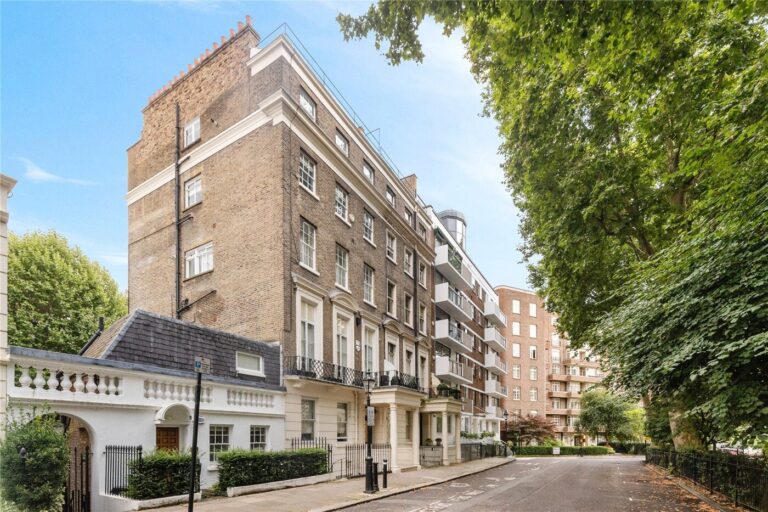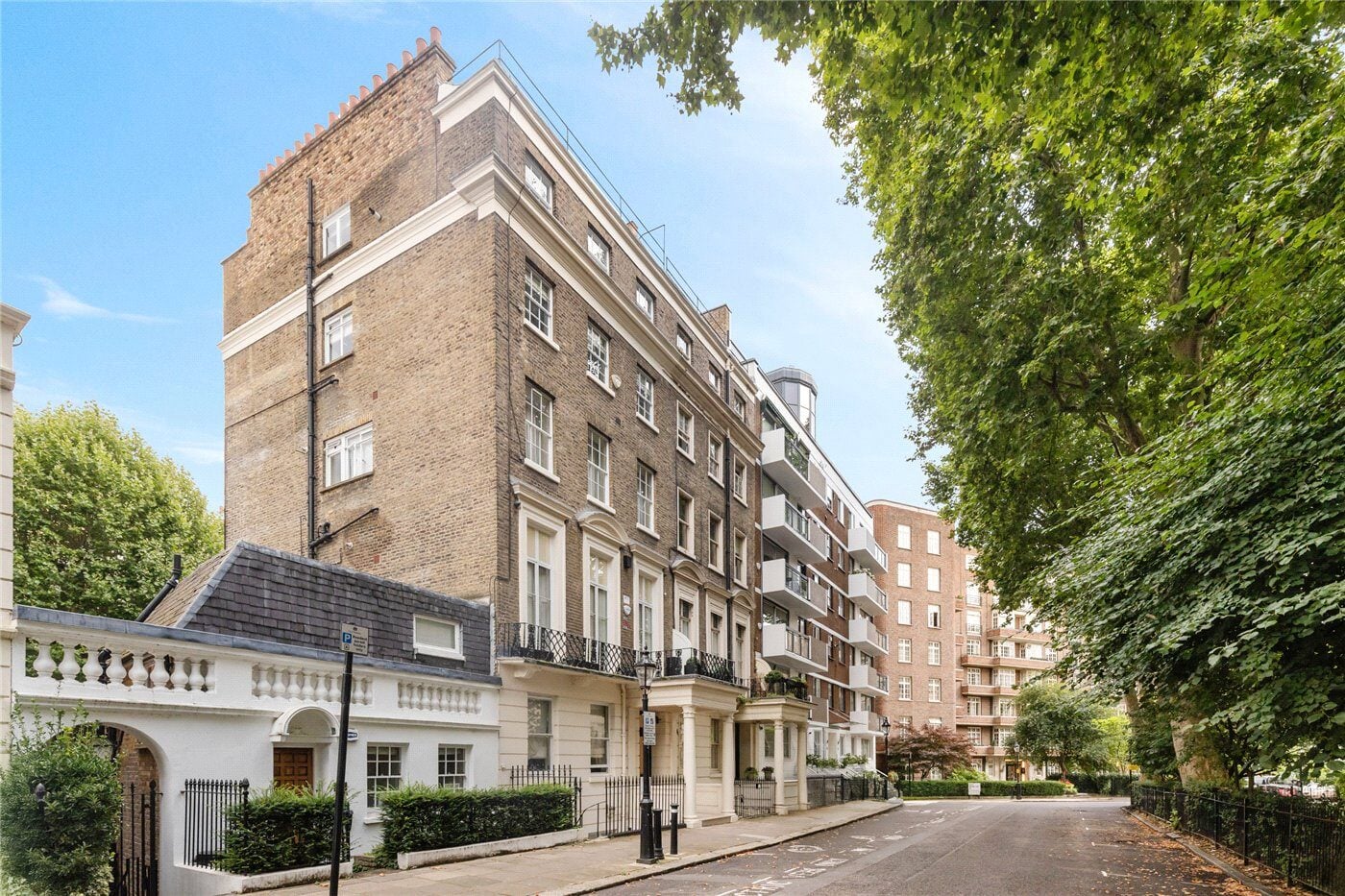
Chelsea remains one of London’s most desirable residential locations, known for its elegant period properties, fashionable shopping streets and proximity to central London. However, understanding property prices in this prestigious neighbourhood requires looking beyond headline figures.
Whether you’re buying, selling or investing, understanding local property values can help you make informed decisions. Experienced Estate agents in Chelsea can provide valuable insight into neighbourhood differences, recent transactions and the factors influencing individual property prices.
What Is the Average House Price in Chelsea?
According to the Office for National Statistics (ONS), the average property price in the Royal Borough of Kensington and Chelsea was approximately £1,204,000 in August 2026, based on provisional UK House Price Index data.
This represented a 13.8% decrease compared with August 2025, when the revised average stood at approximately £1,396,000. Despite this decline, Kensington and Chelsea remained London’s most expensive borough, considerably above the capital’s average of £554,000.
These figures cover the entire Royal Borough of Kensington and Chelsea rather than Chelsea alone. They should therefore be treated as a broader market reference, not a precise valuation of properties within Chelsea.
Read More: Why Invest in Brighton?
Average prices also differ depending on the source. Property portals often report advertised asking prices, while HM Land Registry records completed transactions. The UK House Price Index provides estimates based on transaction data and statistical modelling.
Understanding these distinctions is essential when evaluating local property values.
Average Property Prices by Property Type
Chelsea’s housing market includes everything from compact converted flats to substantial Georgian and Victorian townhouses. Consequently, property type plays a significant role in determining value.
The ONS reported the following provisional average prices across Kensington and Chelsea for August 2026:
| Property type | Average price |
| Flats and maisonettes | £948,000 |
| Terraced houses | £2,386,000 |
| Semi-detached houses | £2,996,000 |
| Detached houses | £4,345,000 |
Source: ONS, UK House Price Index, August 2026. Borough-wide averages, not Chelsea-specific prices.
Flats and maisonettes generally provide a more accessible entry point than larger houses, although prices can vary considerably according to floor space, condition, tenure and location.
Substantial family homes, particularly those with private gardens and distinctive architectural features, often command higher prices.
However, comparing properties purely by type can be misleading. Two flats in the same building may have significantly different values because of their layouts, lease terms, or outdoor space.
What Influences Property Prices in Chelsea?
Several factors contribute to Chelsea’s property values, with location and individual property characteristics often making a considerable difference.
Location and transport: Proximity to King’s Road, Sloane Square and neighbouring South Kensington can influence buyer interest. Access to Underground stations, bus connections and central London employment areas also contributes to residential appeal.
Property condition: Recently refurbished homes may attract buyers seeking convenience, while properties requiring substantial renovation must be assessed against the likely costs of improvement.
Architectural character: Original fireplaces, high ceilings, period detailing and attractive façades can enhance a property’s appeal.
Outdoor space: Private gardens, balconies and terraces are valuable considerations, particularly for buyers seeking additional living space.
Tenure and running costs: Lease length, service charges, ground rent arrangements and ongoing maintenance obligations can substantially affect a buyer’s assessment of value.
Each property should therefore be evaluated on its individual merits rather than relying exclusively on local averages.
Why Chelsea Continues to Attract Buyers
Chelsea’s reputation extends beyond its property market.
King’s Road offers an established mix of independent shops, restaurants and recognised retailers, while Sloane Square provides access to cultural attractions, including the Royal Court Theatre.
The Chelsea Embankment, nearby parks and attractive residential squares contribute to the area’s distinctive character.
Buyers are also drawn to its historic architecture, established residential streets and convenient access to neighbouring districts such as Belgravia, Knightsbridge and South Kensington.
Read More: Condo Renovation Services in Toronto: What to Know Before Starting Your Project
These lifestyle attributes help explain Chelsea’s enduring appeal, although individual purchasing decisions remain sensitive to affordability and wider market conditions.
Understanding Market Trends and Buyer Demand
Chelsea’s property market does not operate independently of the wider economy.
Mortgage interest rates, lending criteria, inflation, and buyer confidence can all influence transaction activity. Higher borrowing costs may reduce purchasing power, while economic uncertainty can encourage buyers to negotiate more cautiously.
The ONS figures for August 2026 indicate a decline in average prices across Kensington and Chelsea compared with the previous year. However, short-term changes should be interpreted carefully.
The ONS cautions that local estimates can be volatile because they are based on relatively small numbers of transactions. Changes in the types of properties sold can also affect reported averages.
For this reason, homeowners should consider longer-term trends alongside comparable local sales.
Practical Advice for Buyers and Sellers
For prospective buyers, thorough research is essential before committing a purchase.
Compare properties with similar floor areas, conditions, and tenure arrangements. Review completed sales where possible, rather than relying solely on advertised asking prices.
Remember to budget for additional expenses, including Stamp Duty Land Tax, legal fees, surveys and potential refurbishment costs.
Sellers should take an equally considered approach.
An ambitious asking price may discourage suitable buyers, particularly when comparable properties offer better value.
A professional valuation should consider recent completed transactions, current competing listings and the property’s individual characteristics.
Working with knowledgeable Estate agents in Chelsea can help sellers establish a realistic pricing strategy while giving buyers a clearer understanding of local market conditions.
Making Informed Decisions in Chelsea’s Property Market
Chelsea’s property prices reflect a combination of location, architectural character, lifestyle appeal and prevailing economic conditions.
Although average house prices provide a useful starting point, they cannot fully capture the differences between individual homes.
Buyers should assess affordability and comparable transactions carefully, while sellers should base pricing decisions on credible local evidence.
Ultimately, understanding what makes each property distinctive is more valuable than relying on a single headline figure.
About the Author