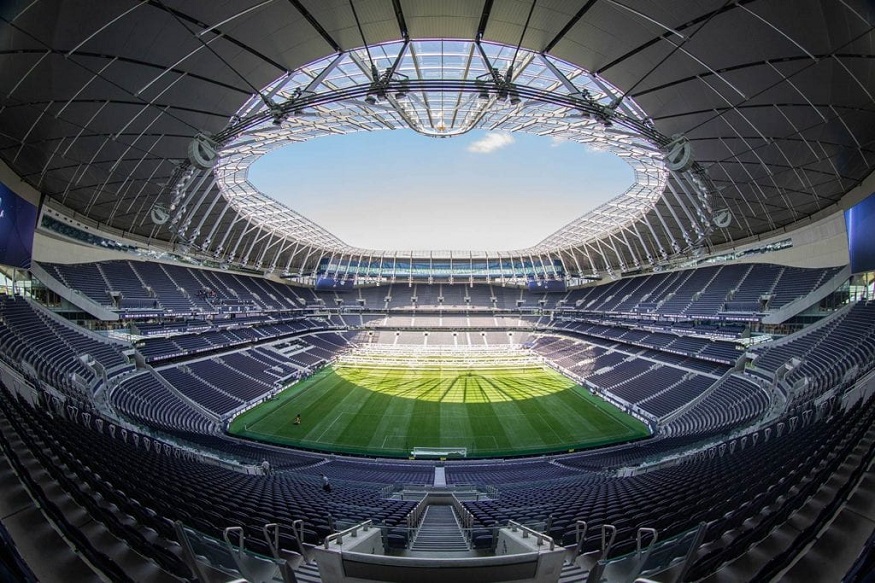
Sports venues are more than just places where games are played; they are spaces where fans gather to create unforgettable memories, where athletes push their limits, and where communities come together to celebrate their shared passions. Designing a sports venue that meets the needs of all these stakeholders requires careful planning and attention to detail. From seating arrangements and accessibility to amenities and sustainability, every element plays a crucial role in creating a top-notch experience for everyone involved. In this article, we’ll explore the key considerations in sports venue design, with a focus on how even the smallest details, like the choice of hand dryers in restrooms, can contribute to the overall success of the facility.
Seating and Sightlines: Ensuring Every Fan Has the Best Seat
One of the most critical aspects of sports venue design is seating. The goal is to ensure that every fan has a clear and unobstructed view of the action, regardless of where they are seated. Achieving this requires careful consideration of sightlines and the layout of seating tiers.
Tiered Seating Design: Tiered seating is a popular choice in sports venues because it allows for better sightlines and maximises the number of seats with a direct view of the field or court. The key is to ensure that each row is elevated enough above the row in front of it to avoid obstructing the view of those behind. This not only enhances the fan experience but also increases the value of the seats, as more fans are willing to pay for a better view.
Read More: Joe Cianciotto Discusses A Few Essential Tips for First-Time Co-Living Residents
Accessibility Considerations: Accessibility is another crucial factor. Sports venues must comply with regulations that ensure equal access for people with disabilities. This includes providing wheelchair-accessible seating, easy-to-navigate ramps, and elevators, as well as seating that accommodates companions of disabled fans. The design should also ensure that accessible seating areas offer equally good sightlines as other seats.
Concessions and Amenities: Enhancing the Fan Experience
Concessions and amenities are vital components of any sports venue. Fans expect a variety of food and beverage options, and the design of these spaces can significantly impact their experience.
Concession Stand Placement: Concession stands should be strategically placed to minimise the distance fans have to walk from their seats. Long lines can detract from the enjoyment of the game, so it’s essential to ensure that there are enough concession stands to meet demand without causing excessive wait times. The design should also facilitate easy movement between the stands and seating areas.
Restroom Facilities: Adequate and easily accessible restroom facilities are a must in any sports venue. Restroom design should accommodate large crowds, with enough fixtures to minimise wait times. Additionally, the inclusion of modern amenities like energy-efficient hand dryers can enhance the overall fan experience while contributing to the venue’s sustainability goals. Hand dryers not only reduce waste compared to paper towels but also lower the venue’s overall environmental footprint.
Technology Integration: Enhancing Engagement and Experience
In today’s digital age, sports venues are increasingly incorporating technology to enhance fan engagement and improve the overall experience.
High-Speed Wi-Fi: Providing high-speed Wi-Fi throughout the venue is essential. Fans expect to be able to share their experiences on social media, check game statistics, and even order food and drinks from their seats. Wi-Fi connectivity also enables mobile ticketing, reducing the need for physical tickets and making entry into the venue faster and more efficient.
Scoreboards and Video Screens: Large, high-definition video screens and scoreboards are now standard in modern sports venues. These screens enhance the fan experience by providing close-ups of the action, instant replays, and important game statistics. The placement of these screens is crucial—they should be visible from all seating areas without causing glare or obstructing sightlines.
Sound Systems: A high-quality sound system is also essential for creating an immersive experience. The sound system should deliver clear, evenly distributed audio throughout the venue, whether it’s for announcements, music, or commentary. The design should consider the acoustics of the space to avoid echo and ensure that the sound reaches every corner of the venue.
Sustainability: Designing with the Environment in Mind
As sustainability becomes an increasingly important consideration, sports venues are being designed with eco-friendly practices in mind.
Energy Efficiency: Energy-efficient lighting, such as LED lights, can significantly reduce the energy consumption of a sports venue. These lights are not only more environmentally friendly but also cost-effective in the long run due to their longer lifespan and lower energy use. The use of solar panels to power parts of the venue is another option that many modern sports venues are exploring.
Water Conservation: Water conservation is another key area where sports venues can make a difference. Low-flow fixtures in restrooms, including faucets and toilets, reduce water consumption. Additionally, smart irrigation systems can be used to maintain the venue’s landscaping without wasting water.
Waste Reduction: Waste reduction strategies, such as recycling programs and composting food waste from concession stands, are essential for minimising the environmental impact of a sports venue. The use of sustainable materials in construction, as well as the implementation of green building practices, can further enhance the venue’s environmental credentials.
Sustainable Materials: The use of sustainable materials in the construction and furnishing of the venue is another important aspect. Materials like recycled steel, sustainably sourced wood, and environmentally friendly composites are increasingly being used in sports venues. For example, composite decking can be used in outdoor seating areas or walkways, providing a durable and sustainable alternative to traditional wood.
A Winning Strategy for Sports Venue Design
Designing a sports venue that meets the needs of fans, athletes, and the environment requires a holistic approach. From seating arrangements and accessibility to technology integration and sustainability, every aspect of the design contributes to the overall success of the venue. By paying attention to these details, sports venues can create an engaging and memorable experience for all who enter, while also making a positive impact on the environment. Even seemingly small decisions, like the choice of hand dryers, can contribute to a venue’s sustainability goals, making them an integral part of the broader design strategy. In the end, the goal is to create a space that not only supports the action on the field but also enhances the experience for everyone involved, from the moment they walk through the gates to the final whistle.
For wider commercial, hospitality, or public-facing projects, small supporting details can make the finished space feel more complete. Traditional signage can add character, direction, and brand presence; while digital signage can share changing information, promotions, menus, or wayfinding updates clearly.