A modern kitchen should feel clean, comfortable, and easy to use. However, adding too many decorative details can make the room feel crowded. This is especially true in smaller kitchens or open layouts where the cabinets are visible from nearby living spaces.
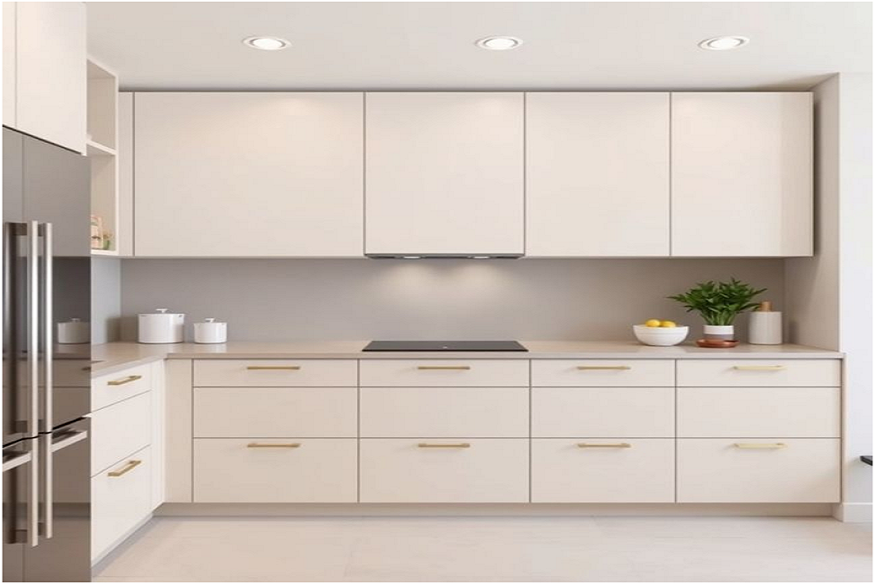
Flat panel cabinets offer a simpler approach. Their smooth doors create clean lines without making the kitchen feel unfinished. They also provide a flexible background for countertops, lighting, flooring, and appliances.
Still, appearance is only part of the decision. The right finish, storage layout, hardware, and installation quality all affect the final result. This guide explains why this cabinet style works well in modern Milwaukee kitchens and what you should consider before choosing it.
Why Flat-Panel Cabinet Doors Create a Cleaner Modern Look
Detailed cabinet doors can be beautiful, but they introduce more lines, shadows, and visual movement. In a compact kitchen, those details may make the space appear busier. Flat panel cabinets remove that extra decoration. The eye moves across the room without stopping at raised edges or recessed panels.
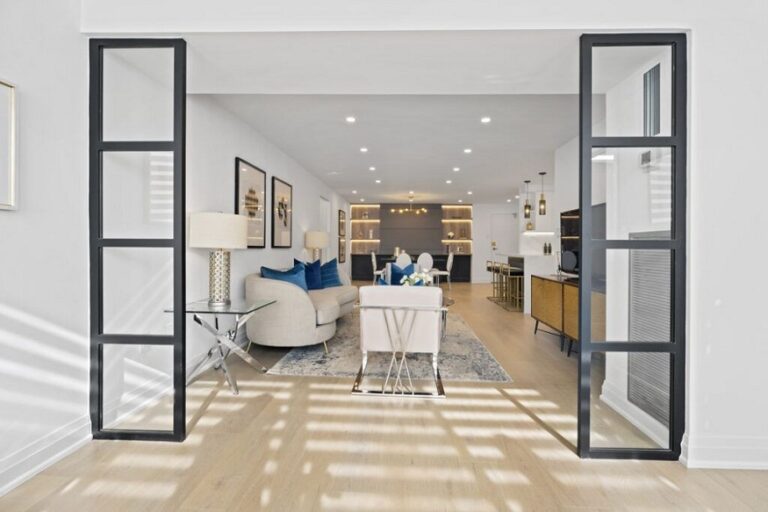
That simplicity works particularly well in open-concept homes. If your kitchen connects with the dining or living room, streamlined doors help the spaces flow together. The cabinetry becomes part of the overall interior instead of looking like a separate decorative feature.
Read More: How a Wooden Bedside Table Lamp Enhances Modern Bedroom Décor
Simple does not have to mean plain. A bold cabinet color, natural wood grain, or carefully chosen handle can give the room personality. Because the door design is quiet, other materials have more room to stand out.
The Everyday Kitchen Problems This Simple Style Solves
Kitchen clutter is not limited to items left on the counter. Visual clutter also comes from competing colors, decorative doors, exposed appliances, and mismatched hardware. A smooth cabinet front reduces some of that visual noise immediately. The room can feel calmer, even when its actual size remains unchanged.
Cleaning is another common concern. Grease and dust often settle around grooves, trim, and raised edges. Smooth doors have fewer detailed areas where dirt can collect. A soft cloth and a suitable cabinet cleaner are usually enough for routine care. Families who cook daily may appreciate that small convenience more than they expect.
There is also the issue of changing taste. Highly decorative doors may strongly reflect a certain design period. Modern slab-door cabinetry is more neutral. You can update the kitchen later by changing the wall color, backsplash, hardware, or lighting without replacing every cabinet door.
Practical Benefits That Go Beyond Appearance
A cabinet door may look simple, but the storage behind it can be highly practical. Drawers, pull-out shelves, tray dividers, waste-bin systems, and pantry storage can all sit behind a clean exterior. That creates a kitchen that looks organized while still handling the messier parts of daily life.
Picture a family preparing breakfast on a busy weekday. One person needs plates, another is packing lunch, and someone else is looking for a travel mug. A well-planned cabinet layout keeps those items close to where they are used. The door style does not create that efficiency by itself, but its simple appearance supports an organized storage plan.
These cabinets also work with several hardware options. Long pulls can create a strong horizontal or vertical line. Small knobs add a subtle traditional touch. Edge pulls nearly disappear, while handleless systems create the smoothest look. You are not locked into one design direction just because the doors are flat.
Durability depends on construction, finish quality, hinges, and everyday care. The absence of decorative details does not automatically make a cabinet stronger. Ask about the cabinet box, door material, finish, and hardware before comparing choices based on appearance alone.
Finishes That Keep a Modern Kitchen Warm and Inviting
A common worry is that contemporary flat-front cabinets will make the kitchen feel cold. That usually happens when every surface is smooth, white, and highly reflective. Warmth can come from wood flooring, soft lighting, textured tile, warm metal hardware, or a countertop with natural movement.
Matte or Gloss?
Matte finishes create a softer appearance and reflect less light. They work well when you want an understated kitchen, though very dark matte colors may still show grease or handling marks. Samples should be viewed under your actual kitchen lighting before you make a decision.
Gloss finishes bounce light around the room. This can be useful in a compact kitchen with limited daylight. However, reflections and fingerprints may be easier to notice. If your household includes young children or enthusiastic cooks, think about the amount of daily wiping you are comfortable doing.
Painted Colors or Natural Wood?
White and pale gray can make cabinetry feel light and open. Deeper colors such as navy, charcoal, or forest green add drama, particularly when balanced with lighter counters. Natural wood introduces grain and warmth without adding decorative trim.
Mixing finishes can also work. For example, wood-tone lower cabinets paired with light upper cabinets may keep the room grounded without feeling heavy. The key is restraint. Two coordinated finishes usually feel more intentional than several competing colors.
How to Match Streamlined Cabinetry With Your Kitchen Layout
The door style should support the room rather than distract from an awkward plan. In a galley kitchen, continuous cabinet lines can make the narrow space feel orderly. In an L-shaped room, simple fronts allow the corner and work areas to connect visually. Open kitchens often benefit from matching cabinet finishes across the main wall and island.
Proportion matters as well. Tall upper cabinets can draw the eye upward, but they need to fit the ceiling height and the scale of the room. Oversized handles may overwhelm narrow doors, while tiny knobs can look lost on broad drawers. Ask to see the complete elevation, not just one door sample.
Storage decisions deserve equal attention. Deep drawers are useful for pots, pans, and small appliances. A pantry cabinet can reduce counter clutter, while inserts keep utensils and trays organized. Think about where you unload groceries, prepare meals, wash dishes, and serve food. Cabinet storage should follow those movements.
Lighting can change every color and finish. A warm wood sample may look rich in a showroom yet appear orange under different bulbs. Bring samples into the kitchen and view them during the morning, afternoon, and evening. That extra step may prevent an expensive color surprise.
Installation Mistakes That Can Ruin the Clean Effect
Simple cabinet doors reveal alignment problems quickly. Uneven gaps, crooked drawer fronts, and cabinets installed at slightly different heights interrupt the clean lines. Decorative doors may hide small variations, but a smooth run of cabinetry makes them easier to see.
Accurate measurements are essential before ordering begins. Walls may not be perfectly straight, particularly in an older Milwaukee home. Floors can also slope, and corners may not form exact right angles. Fillers, leveling, appliance clearances, and door swings should be planned before cabinets arrive.
Anyone researching kitchen cabinet installation Milwaukee should ask how measurements, leveling, and final adjustments are handled. A professional cabinet installation in Milwaukee should include careful alignment rather than simply attaching boxes to the wall. This precision also helps doors close properly and drawers operate without rubbing.
Cabinets MKE can help local homeowners coordinate cabinet choices with the realities of their kitchen layout. Discuss appliances, flooring, lighting, and storage needs early. Those details affect measurements and can influence where each cabinet should sit.
Final Thoughts
Flat cabinetry works because it gives the kitchen room to breathe. The clean fronts reduce visual clutter, simplify routine care, and complement many colors and materials. They can suit a compact urban kitchen, a family home, or an open remodeling plan.
The strongest results come from looking beyond the door sample. Consider how the finish reacts to light, how the storage supports your routine, and how the hardware feels in your hand. Installation quality matters just as much because every gap and line remains visible.
Read More: Joe Cianciotto Discusses A Few Essential Tips for First-Time Co-Living Residents
A modern kitchen should not feel copied from a showroom. With the right combination of wood, color, texture, and practical storage, simple cabinets can still feel warm, personal, and suited to your home.
FAQs
Choosing a cabinet style often raises practical questions about care, layout, and long-term use. Here are clear answers to several common concerns.
Do smooth cabinet doors show fingerprints easily?
It depends on the finish and color. Dark gloss surfaces usually reveal fingerprints more clearly than lighter or textured finishes. Test a sample by touching and wiping it before placing your order.
Are they suitable for small Milwaukee kitchens?
Yes. Clean door lines can reduce visual clutter and make a compact kitchen feel more orderly. Light colors and thoughtful lighting may improve that effect, but the storage layout still needs careful planning.
Can this cabinet style work in an older home?
Absolutely. Natural wood, warm colors, and classic hardware can connect simple cabinetry with an older home’s character. The room does not need to look ultra-modern.
Are these cabinets difficult to install correctly?
The basic installation process is similar to other cabinet styles. However, smooth fronts make uneven gaps and poor alignment more noticeable. Careful measuring, leveling, and door adjustment are essential.
Which countertops pair well with simple cabinet doors?
Quartz, granite, marble, butcher block, and other surfaces can all work. A counter with texture or natural movement can add character, while a quieter surface supports a more minimal appearance.
About the Author